Integrating Excellence: A Methodological Hub for Lung Cancer Solutions
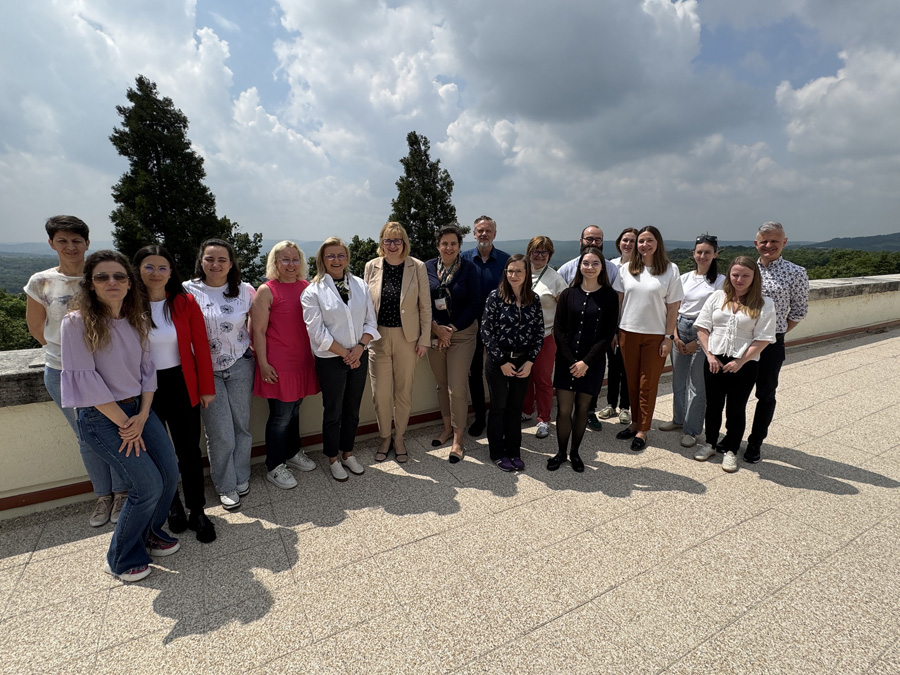
Integrating Excellence: A Methodological Hub for Lung Cancer Solutions NKIP Lung cancer remains one of the most serious public health challenges across Europe, but progress is being made—thanks to institutions like Hungary’s National Korányi Institute for Pulmonology (NKIP). With over a century of expertise and a future-focused approach, the institute stands at the crossroads of […]
IARC-ESMO webinar series: Nutrition, Diet, and Cancer

Hungary in the EUCanScreen Spotlight – July 2025 In July 2025, Hungary takes the spotlight in the EUCanScreen project, highlighting its commitment to the development and implementation of high-quality, evidence-based cancer screening programmes. As one of the participating countries in this joint action, Hungary contributes both strategic direction and practical expertise to the advancement of […]
Raising Awareness and Promoting Understanding – COPD Educational Video from the Korányi Institute
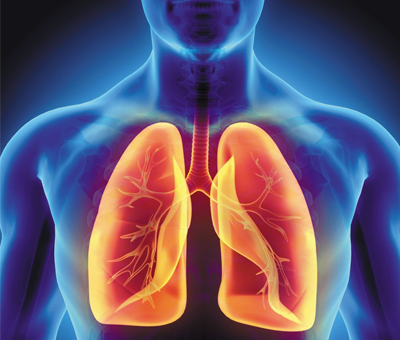
Raising Awareness and Promoting Understanding – COPD Educational Video from the Korányi Institute NKIP As part of Hungary’s campaign month, the National Korányi Institute for Pulmonology is presenting a remarkable educational tool: a short COPD awareness video that clearly explains the nature of the disease, its risk factors, and the importance of early detection in […]
Organized Cervical Cancer Screening Program in Hungary

Organized Cervical Cancer Screening Program in Hungary Since 2003, Hungary has operated an organized, population-based cervical cancer screening program aimed at the early detection and prevention of cervical cancer. The program targets women aged 25 to 65, who receive a personalized invitation letter every three years to attend the screening. The primary method of examination […]
The Cancer Atlas, Fourth Edition
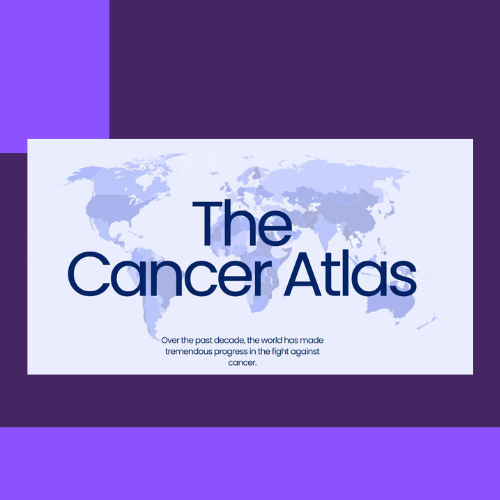
The Cancer Atlas, Fourth Edition IARC and ACS Launch a Landmark Publication for Global Cancer Control The International Agency for Research on Cancer (IARC) and the American Cancer Society (ACS) have officially launched The Cancer Atlas, Fourth Edition, a landmark publication designed to shape global strategies across the cancer control continuum. This edition provides a […]
Breast Cancer Screening in Hungary
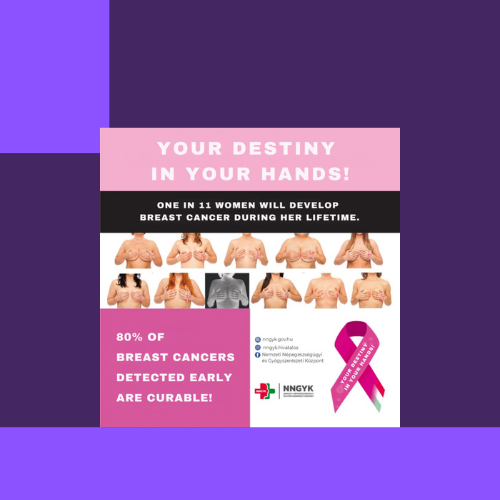
Breast Cancer Screening in Hungary Since 2002, Hungary has operated an organized, population-based breast cancer screening program that provides mammography every two years for asymptomatic women aged 45 to 65. The program aims to detect breast cancer early. This is one of the most common types of cancer affecting women in Hungary as well. […]
Colorectal Cancer Screening in Hungary
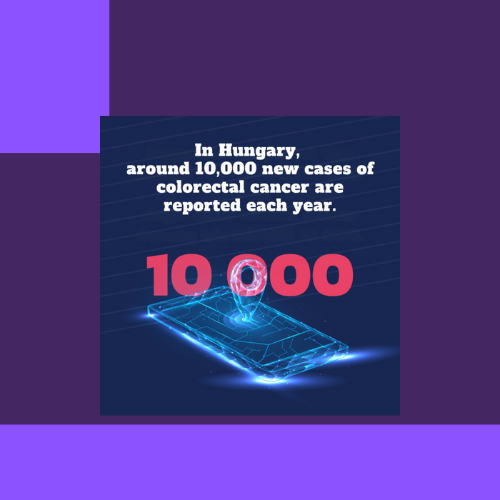
Colorectal Cancer Screening in Hungary Although colorectal cancer screening had previously existed in Hungary in the form of pilot projects, it was only officially introduced as a nationwide organized program in January 2025, following a government decree issued in 2024. This marks a significant advancement in the early detection and prevention of colorectal cancer. The […]
Call for Experts: European Commission Initiative on Lung Cancer

Call for experts – European Commission Initiative on Lung Cancer – now published The European Commission has officially launched a Call for Expression of Interest to join the Working Group of the European Commission Initiative on Lung Cancer (EC-LuC). This important initiative, led by the Joint Research Centre (JRC) in collaboration with DG SANTE, aims […]
Gastric Cancer: Urgent Need for Prevention Strategies
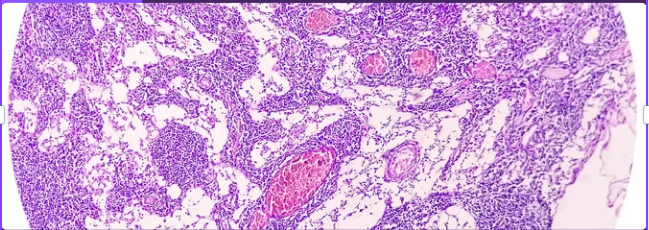
Global Estimates Highlight Urgent Need for Gastric Cancer Prevention Strategies On 7 July 2025, IARC published an estimate indicating that 15.6 million gastric cancer cases will be diagnosed globally among individuals born between 2008 and 2017. Approximately 76% of these cases could be prevented by treating Helicobacter pylori infection. The study, which includes data from […]
Epstein–Barr Virus: Linked to Increased Risk of Multiple Cancer Types
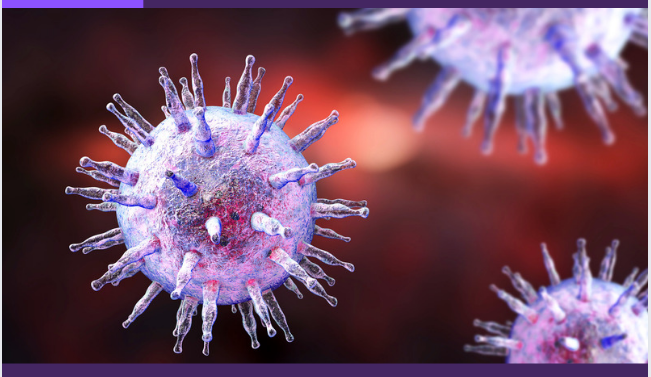
Epstein–Barr Virus: Linked to Increased Risk of Multiple Cancer Types, New Study Finds On 8 July 2025, IARC published an epidemiological analysis linking Epstein–Barr virus (EBV) infection to an increased risk of developing various cancers, including lymphomas, nasopharyngeal carcinoma, and lung and stomach cancers. The study is based on large population cohorts and longitudinal data […]